
A Guide to Eating for Cancer Patients by Dr. Hollis Dsouza at Grace Oncology Cancer Center, Vasai West
Cancer presents a formidable challenge, demanding a multifaceted approach to recovery that extends beyond medical treatments. Dr. Hollis Dsouza, an esteemed figure at Grace Oncology Cancer Center in Vasai West, underscores the pivotal role of a well-balanced diet in fortifying cancer patients during their treatment and recovery journey.
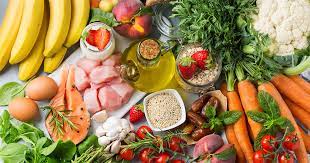
Dr. Dsouza advocates prioritizing a diverse array of fruits and vegetables to guarantee a rich supply of vitamins, minerals, and antioxidants. Make sure fruits (local, seasonal, thick skinned), nuts & seeds (roasted or soaked), and colored vegetables (especially cruciferous vegetables) are a part of the daily diet Citrus fruits- lemon, sweet lime, oranges, amla, etc are must in the daily diet Inclusion of whole grains rice, chapati, millets - bajra, jowar, ragi, oats, whole grain bread, corn, beans, potatoes, lean proteins - chicken, fish, eggs, dairy products, nuts, dhals, chickpeas, and healthy fats - egg yolk, ghee, avocado, nuts, flaxseeds etc forms the cornerstone for achieving a balanced nutritional profile. Make each meal energy & nutrient-dense - add 3-4 groups of food and make a complete meal. Eg - Khichri- a combination of cereal(Rice), pulse( moong dal), vegetables (potato, cauliflower, carrot, tomato, etc), and fat (ghee) as per patients preference.
Maintaining optimal hydration levels is crucial for overall health and can alleviate specific side effects of cancer treatments.
Recommendations include choosing water, infused water , herbal teas, buttermilk, clear soups, ragi water, sattu water and broths to sustain adequate hydration.
Tailoring the diet to consist of smaller, more frequent meals proves beneficial for those grappling with nausea or a diminished appetite.
Focus on the quality rather than the quantity of food.
Protein-rich snacks such as yogurt, nuts, sprouts ,roasted chana , peanuts, or nut butters are suggested in-between meals.
The process of feeding becomes less hassle while you start planning the meal considering the chemotherapy-induced complications - sore mouth, dry mouth, nausea, acidity, constipation, diarrhea, lack of energy, etc.
Don't expect the patient to finish 3-4 square meals. Rather change the feeding routine and technique as per the condition.
Nausea: drink 10 ml ginger juice 15 mins before each meal, Opt for bland, easily digestible foods like rice, khichdi , porridge, kanji or bananas.
Taste Changes: Experiment with diverse flavors and textures to identify palatable options.
Difficulty Swallowing: Consider mashed, softer, pureed foods or liquids.
Diarrhea : avoid milk instead drink black tea and added lime juice, buttermilk, curd, arrow root kanji.
Dr. Dsouza emphasizes that some cancer patients may necessitate nutritional supplements to meet their specific dietary requirements.
Consultation with a healthcare professional is advised for personalized supplement recommendations.
Advocating for mindful eating, Dr. Dsouza encourages patients to savor each bite, fostering a positive relationship with food.
Consideration is given to seeking guidance from a nutritionist for personalized advice tailored to individual needs.
In the quest for optimal nutrition, patients are advised to minimize the consumption of processed foods, fried foods, refined flour, coloured and preserved foods , sugary snacks, and excessive red meat.
The focus is shifted towards emphasizing whole, unprocessed foods.
Dr. Hollis Dsouza strongly recommends cancer patients collaborate with a nutritionist to construct a personalized meal plan.
Tailoring the diet to individual needs and treatment plans emerges as a crucial factor in optimizing nutritional support.
In conclusion, a meticulously designed and personalized nutritional plan plays a big part in supporting cancer patients during their challenging journey. People can actively improve their overall well-being and strengthen their resilience against cancer by working together with healthcare professionals and making informed dietary choices.
Always remember to consult with your healthcare team for advice tailored to your unique condition and treatment plan. For further guidance, reach out to Dr. Hollis Dsouza at Grace Oncology Cancer Center in Vasai West.