
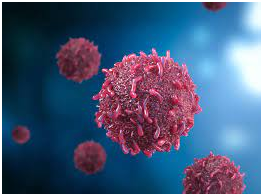
Cancer is a complex and widespread group of diseases that has touched the lives of millions worldwide. The impact of cancer is profound, affecting not only those diagnosed but also their families and communities. In this blog, we'll take a closer look at cancer, its different types, risk factors, prevention, and the progress being made in the fight against this formidable foe.
Cancer is a disease characterized by the uncontrolled growth and spread of abnormal cells in the body. These cells can form tumors, interfere with normal bodily functions, and, in some cases, can be life-threatening. There are over 100 different types of cancer, each originating in specific areas of the body.
Some of the most common types of cancer include breast cancer, lung cancer, prostate cancer, colorectal cancer, and skin cancer. Each of these types has its own set of risk factors, symptoms, and treatment options.
While the exact cause of cancer can be difficult to pinpoint, several risk factors have been identified. These include genetics, exposure to carcinogens (substances that can cause cancer), lifestyle choices, and infections. Smoking, excessive alcohol consumption, poor diet, and a sedentary lifestyle are all factors that can increase the risk of developing cancer.
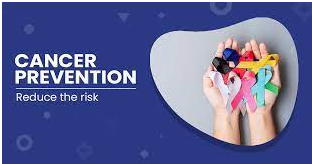
Preventing cancer involves making healthy lifestyle choices and taking proactive measures to reduce your risk. Some key strategies for cancer prevention include:
1. Tobacco Control: Avoid or quit smoking, and steer clear of secondhand smoke.
2. Healthy Diet: Consume a balanced diet rich in fruits, vegetables, and whole grains. Limit the intake of processed foods and red meat.
3. Physical Activity: Stay physically active and maintain a healthy weight
4. Moderate Alcohol Consumption: If you choose to drink, do so in moderation.
5. Protection from the Sun: Use sunscreen and protective clothing to prevent skin cancer.
6. Vaccination: Some cancers can be prevented through vaccination. For example, the HPV vaccine can protect against certain types of cancer.
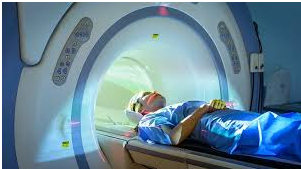
Early detection of cancer is critical for successful treatment. Common methods of diagnosis include biopsies, imaging tests, and blood tests. Once diagnosed, treatment options may include surgery, radiation therapy, chemotherapy, immunotherapy, targeted therapy, or a combination of these.
The field of oncology is continually evolving, with ongoing research leading to new treatments and breakthroughs. Immunotherapy, for example, has shown promise in harnessing the body's immune system to fight cancer. Precision medicine allows for tailored treatments based on a patient's genetic makeup.
Cancer is not always a terminal diagnosis. Many people are living with cancer as a chronic condition or have successfully overcome it. Survivorship care plans and support systems play a crucial role in helping cancer survivors lead healthy and fulfilling lives.
Cancer is a formidable adversary, but with early detection, prevention, and ongoing research, progress is being made in the fight against it. Whether you're looking to reduce your risk or support a loved one through their cancer journey, understanding the basics of cancer is an important first step. It's a shared responsibility to raise awareness, promote early detection, and support ongoing research to conquer this disease.